Executive summary:
1. Sales should not be limited to the online purchase moment, as this means missing opportunities to influence the user at the most receptive point in the entire journey.
2. The pain of paying can be overcome. The perception of “extras” and the “pain of paying” can be reshaped by leveraging travelers’ motivations and the framing effect of the trip.
3. Added value is subjective and can be influenced using behavioral science. We will suggest how to implement them through three types of recommendations: awareness, timely intervention, and personalization.
Introduction & Starting Point
👁️How did we analyze the bus service?
As a phygital experience framed by the travel journey, from ticket purchase to after arrival.
🎯 Objective
To create a phygital experience that guides the user in their decision-making, based on personalization, awareness, and timely interventions, increasing value for both the brand and the traveler.
To create a phygital experience that guides the user in their decision-making, based on personalization, awareness, and timely interventions, increasing value for both the brand and the traveler.
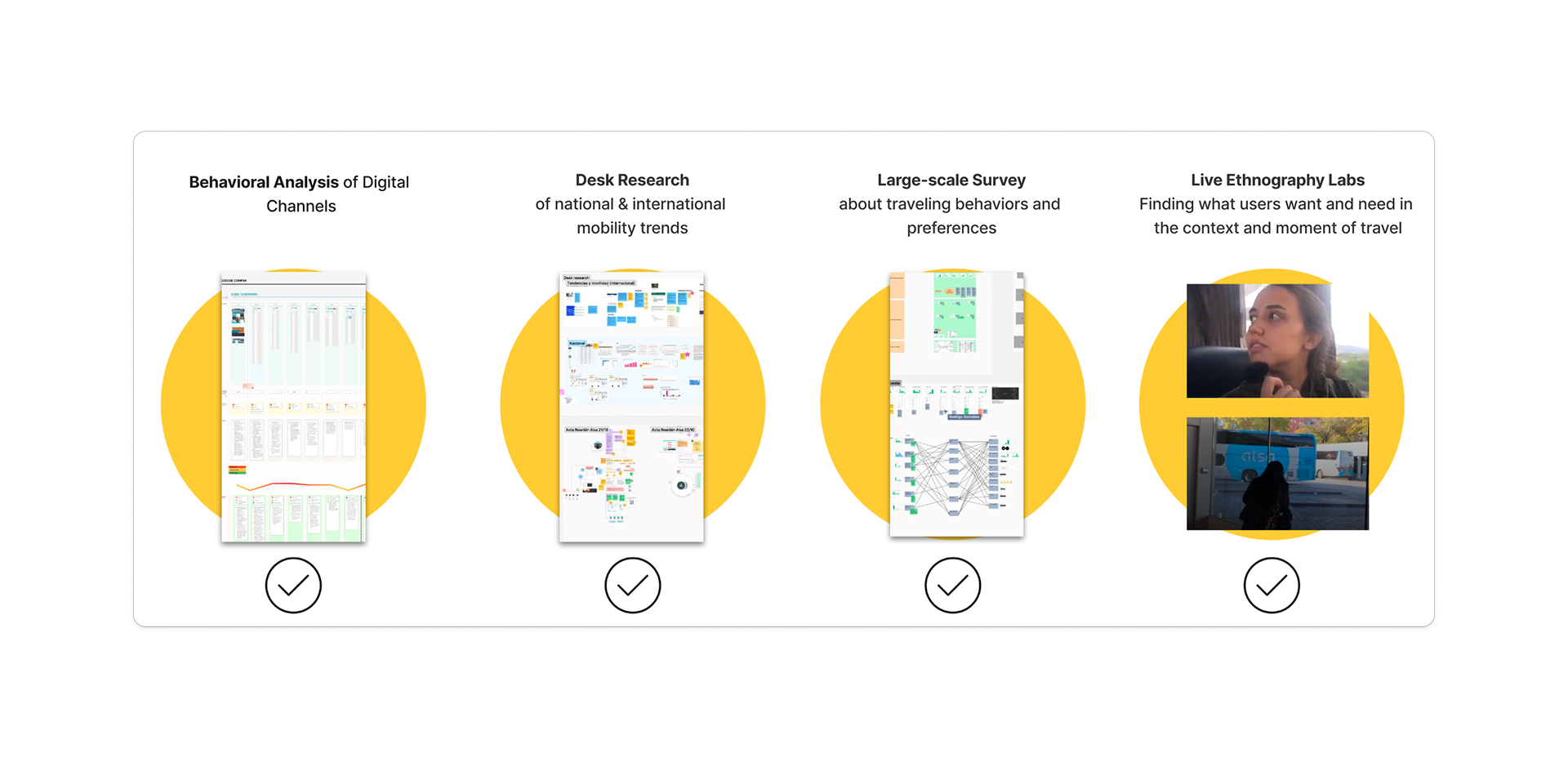
🔍Behavioral Analysis Digital Channels
We conducted a behavioral analysis of the website and app ticket purchase process to identify barriers and facilitators that influence users’ motivation to buy tickets.
At the same time, we analyzed the loyalty program sign-up process, uncovering that it is often hidden and confusing. Many users are already members but don’t realize it, leading them to repeat the sign-up process and create duplicate accounts, which hinders engagement and loyalty.
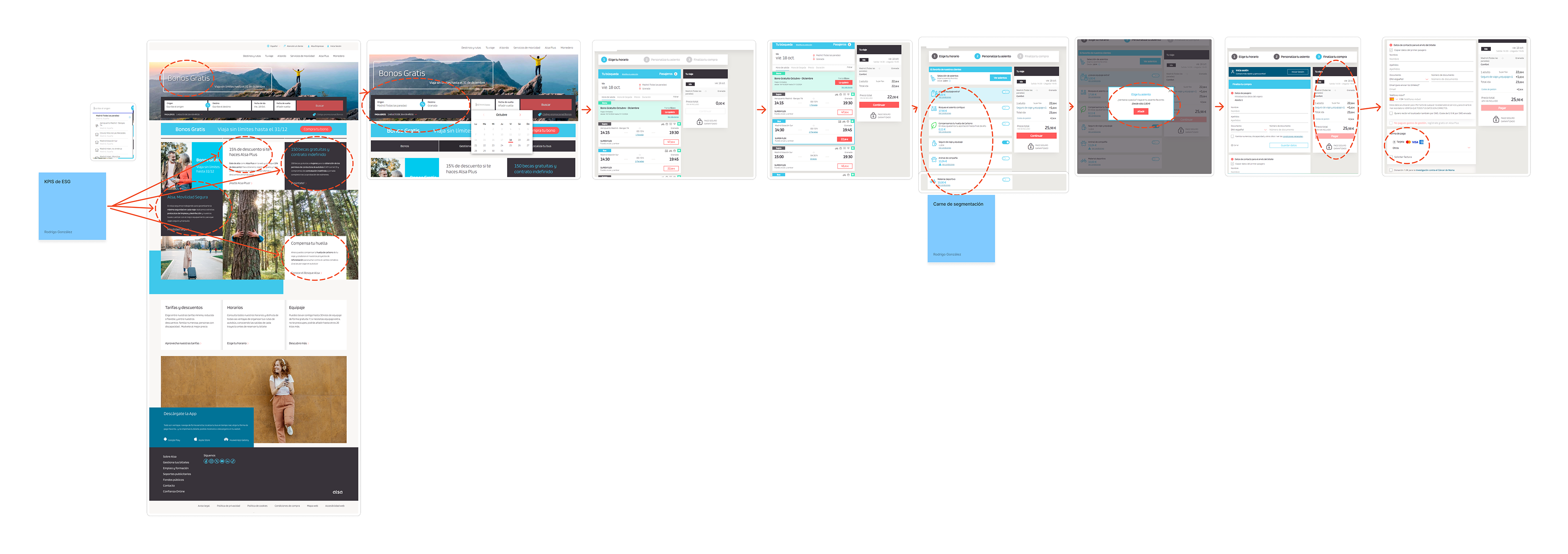
Behavioral analysis website
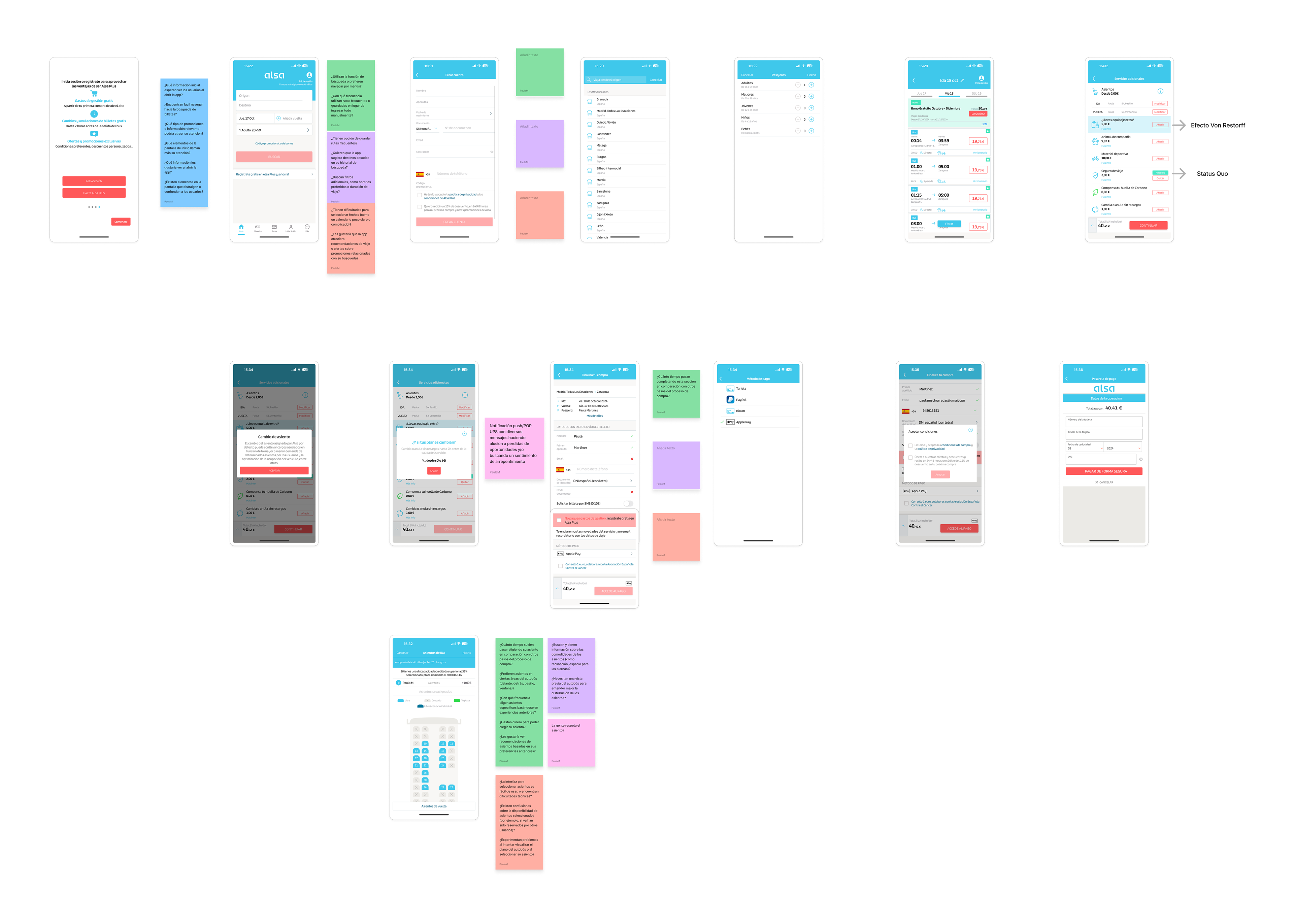
Behavioral analysis app
📋 Large-scale survey:
Design, analysis & results
Context:
The bus company’s current surveys were only reaching displeased or disappointed customers, who tended to be older. This created a blind spot: younger travelers—who are actually more likely to use the service—were missing from the data.
Using this context, we applied behavioral science principles to design a new survey that:
☑️ Appeals to young people
☑️ Is easy and engaging to complete
☑️ Captures insights from the audience that matters most
By doing this, we’re able to listen to the voices we were missing and make data-driven improvements that truly resonate.
Survey Design
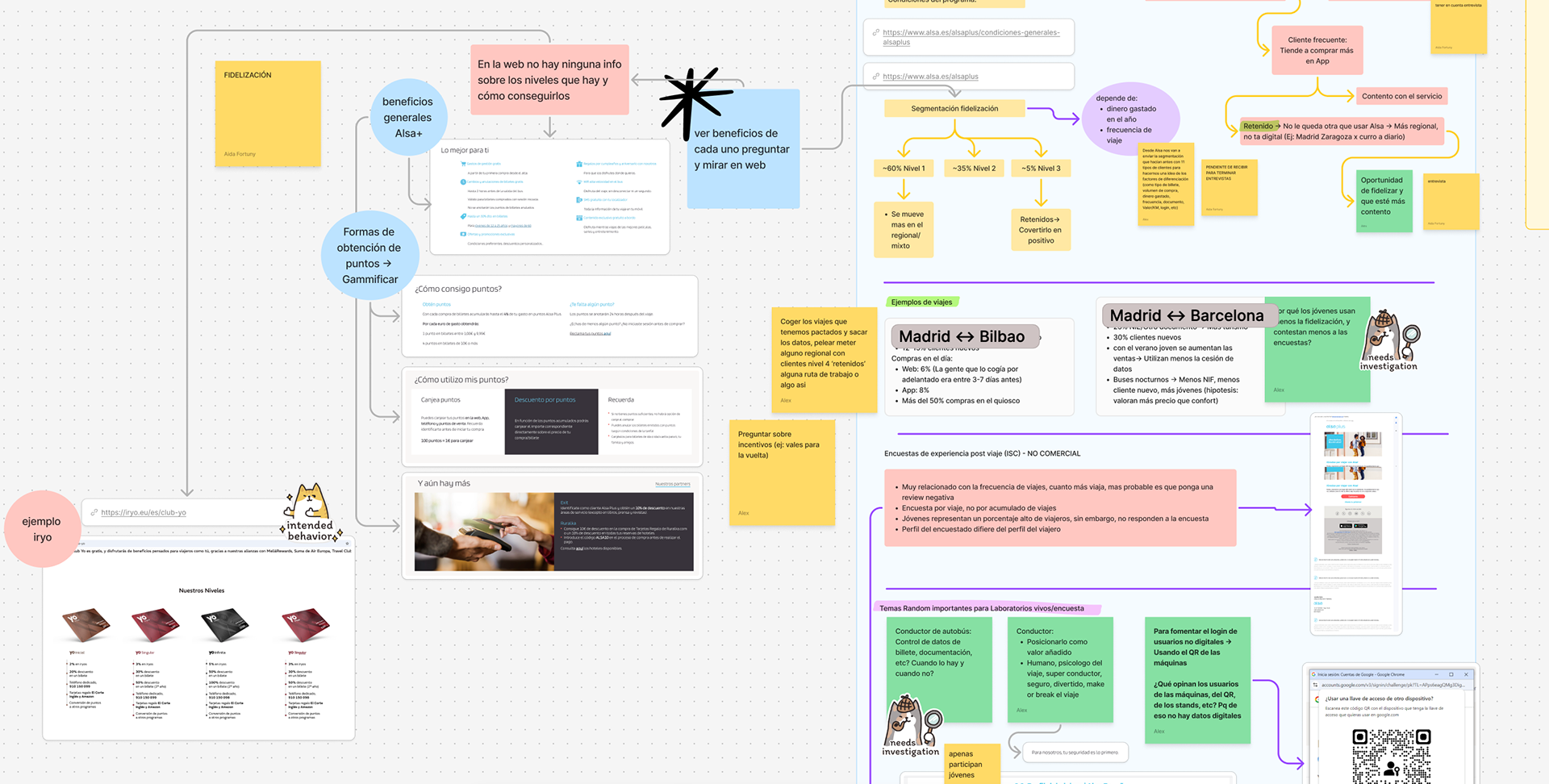
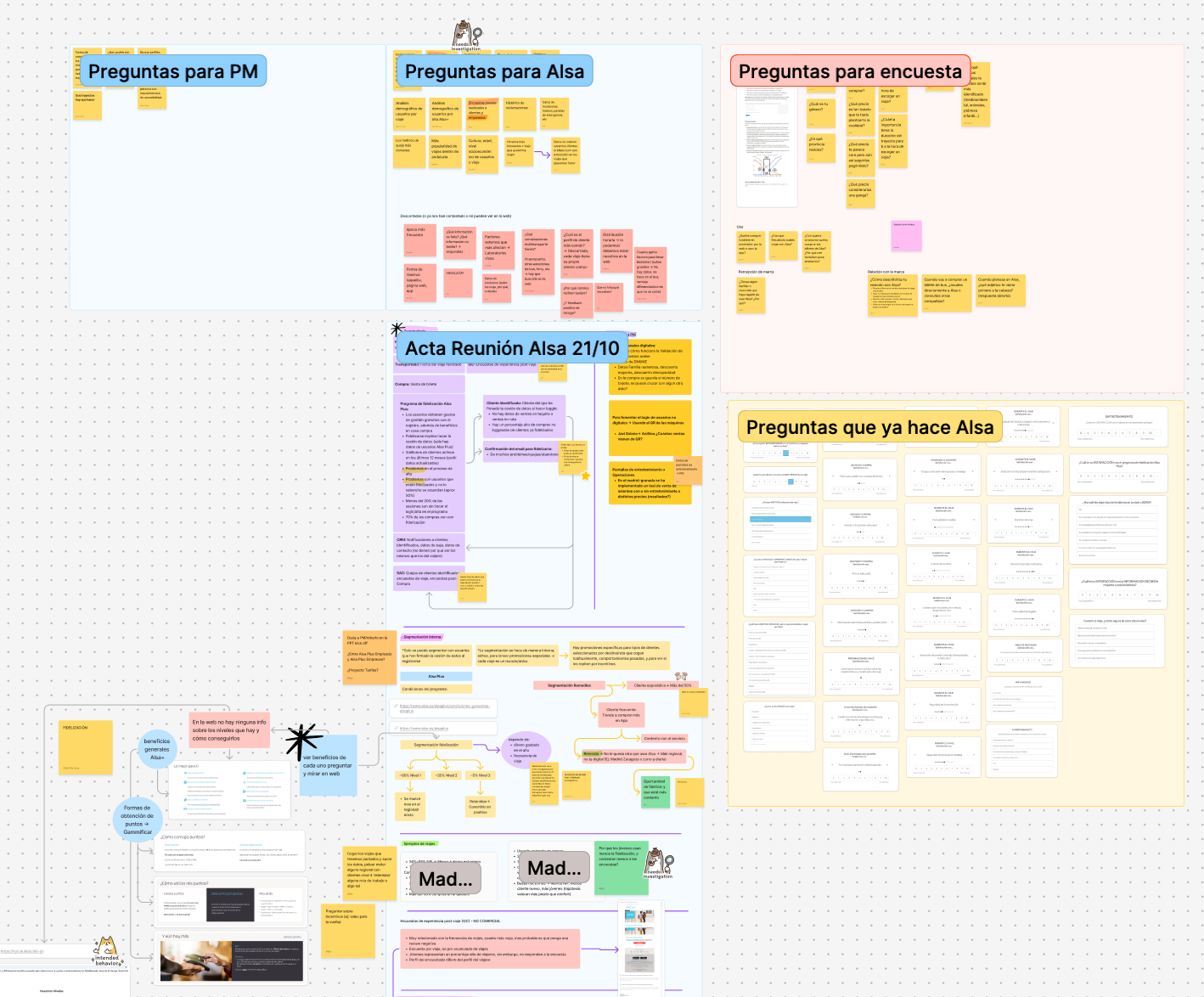
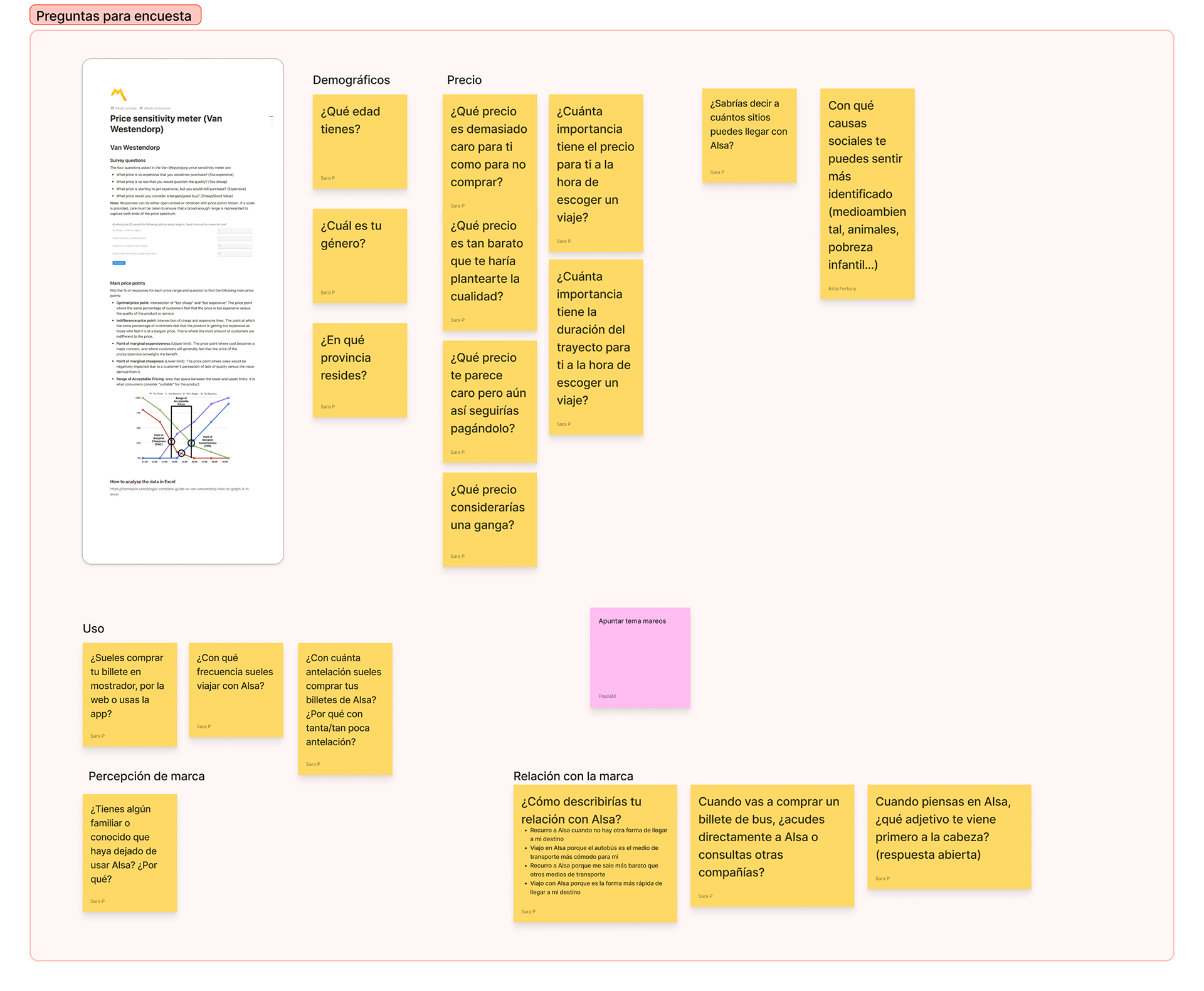
Survey Analysis:
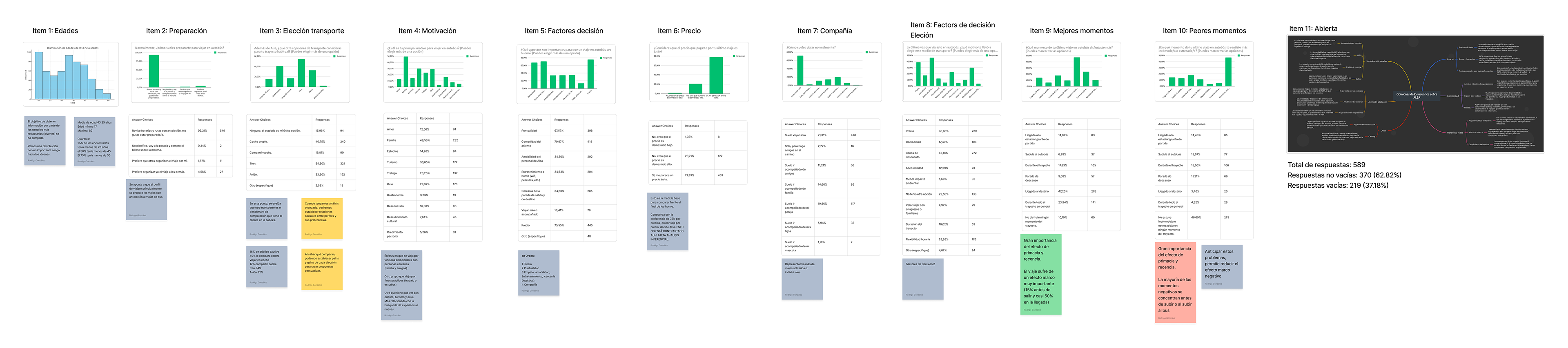
∼600 responses
Average age: 43.35 years
Minimum age: 17
Maximum age: 82
Minimum age: 17
Maximum age: 82
Quartiles:
25% of respondents were under 28 years old
50% were under 45
75% were under 56
Survey Results
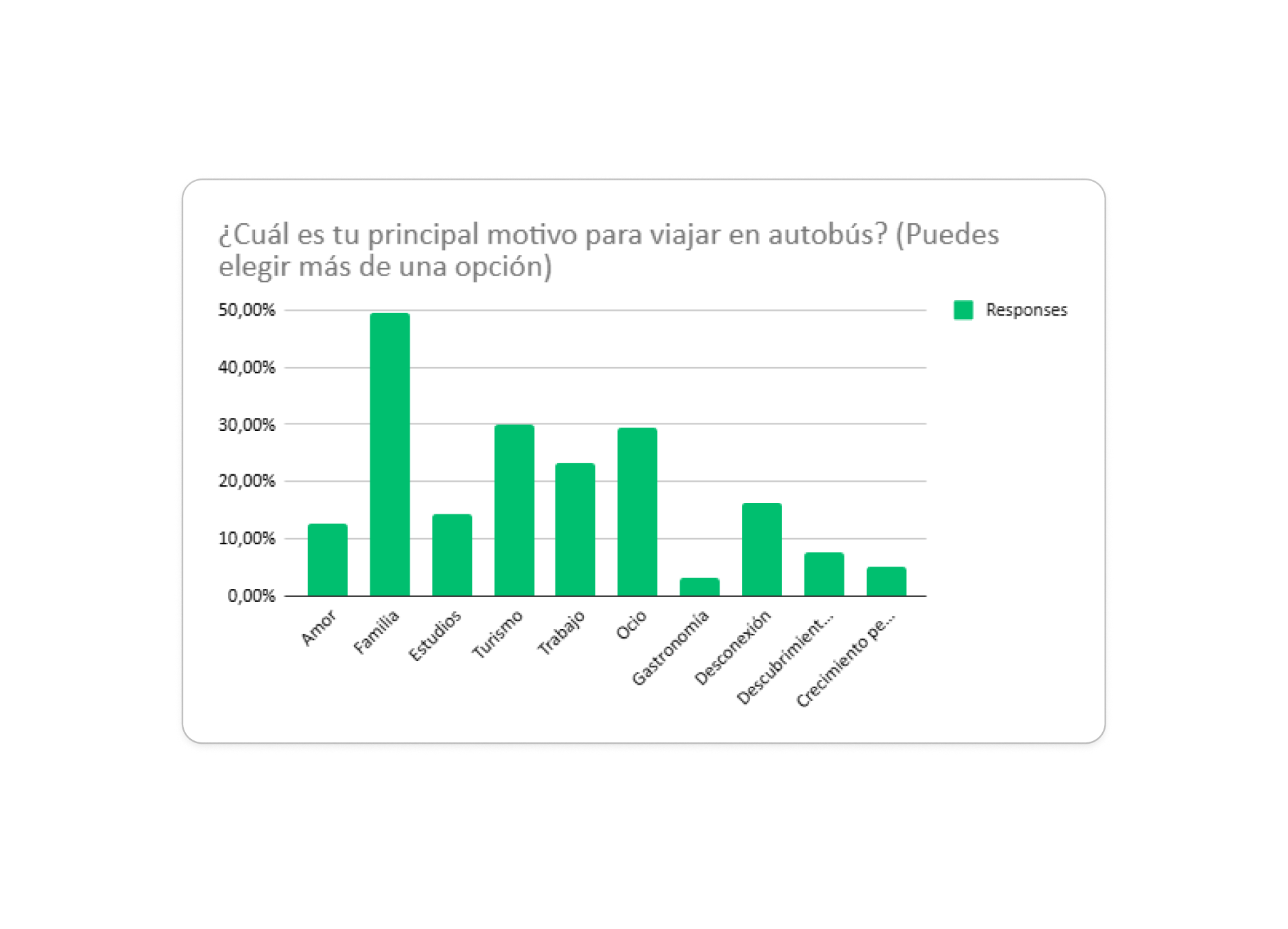
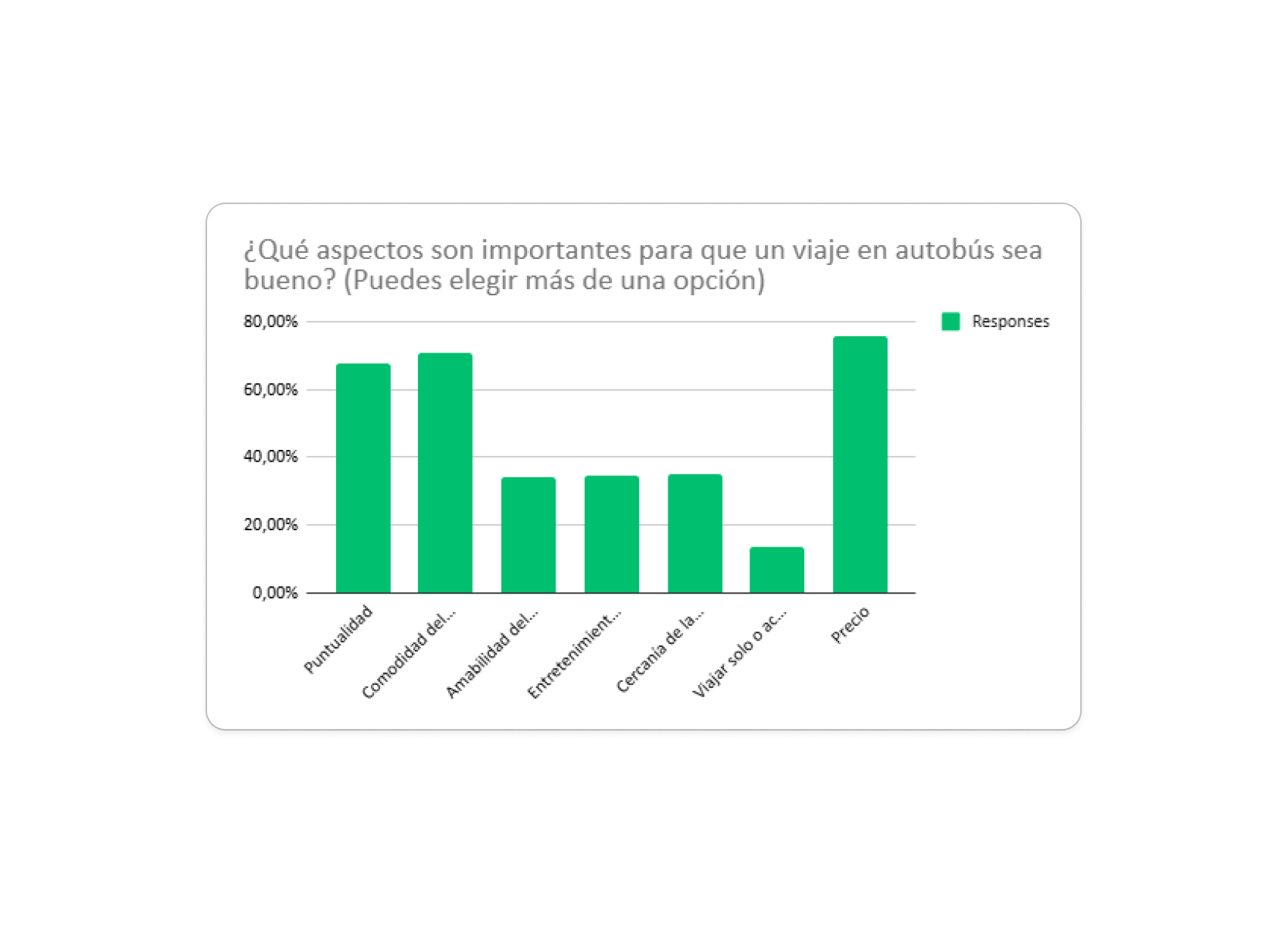
The survey, completed by nearly 600 users, has revealed valuable insights into travel motivations. Price is the most influential factor in choosing a service, accounting for around 80% of responses, which highlights the importance of emphasizing the company’s extras to change this perception.
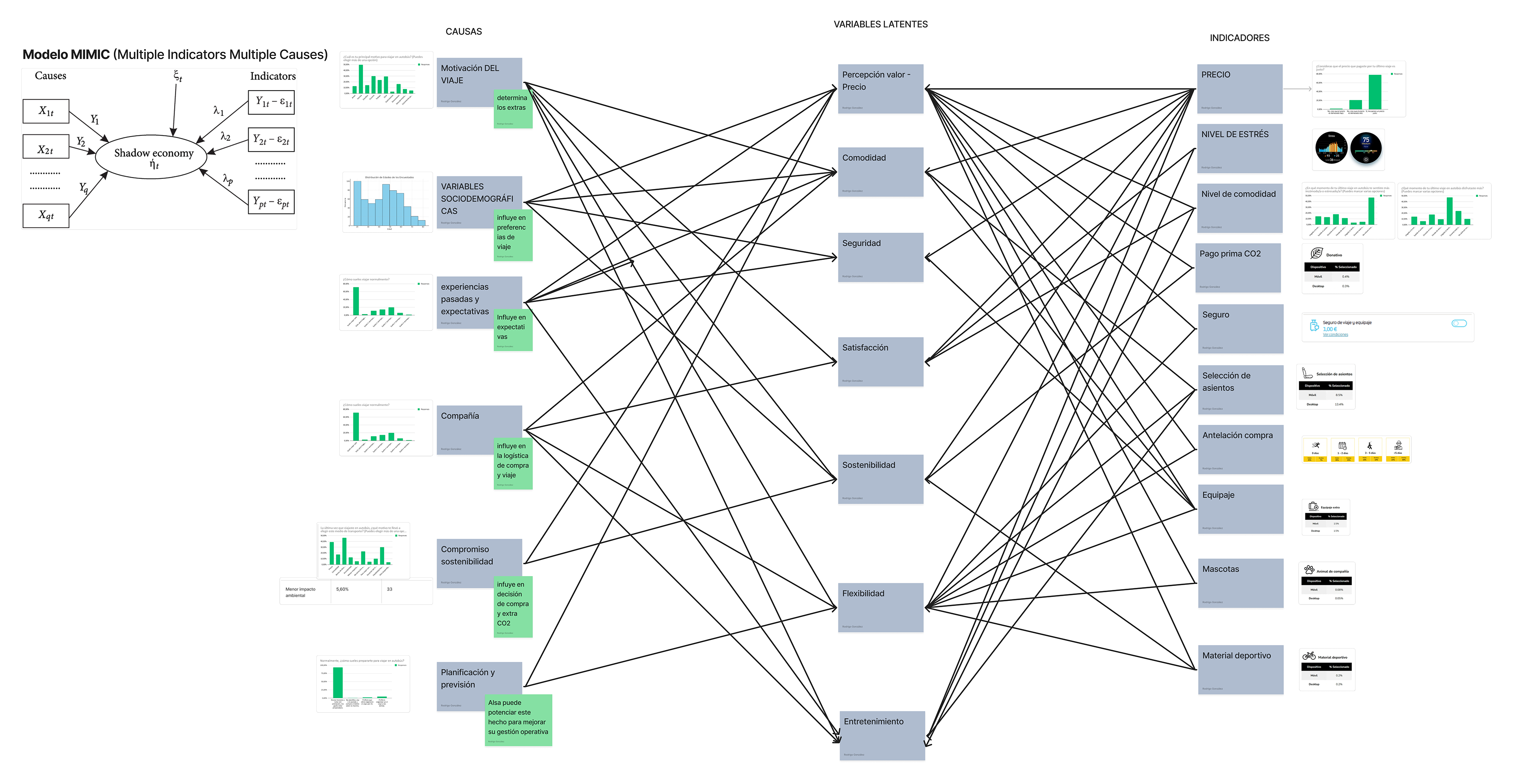
To increase the perceived value of extras at every point of the journey—enhancing both the experience and overall value—we need to use our customers’ motivations as levers to shift perception.
⭐ Motivation as a Tool to Increase Added Value
Identifying travelers’ motivations allows us to design personalized experiences that generate emotional connection, loyalty, and positive recommendations.
Identifying travelers’ motivations allows us to design personalized experiences that generate emotional connection, loyalty, and positive recommendations.
⭐ The journey is framed by the beginning and the end
Initial motivations and experiences at the destination are emotionally integrated, creating unique memories that shape the final narrative of the trip. These elements drive both the product value and the perceived value of the services.
Initial motivations and experiences at the destination are emotionally integrated, creating unique memories that shape the final narrative of the trip. These elements drive both the product value and the perceived value of the services.
📖 Desk Research
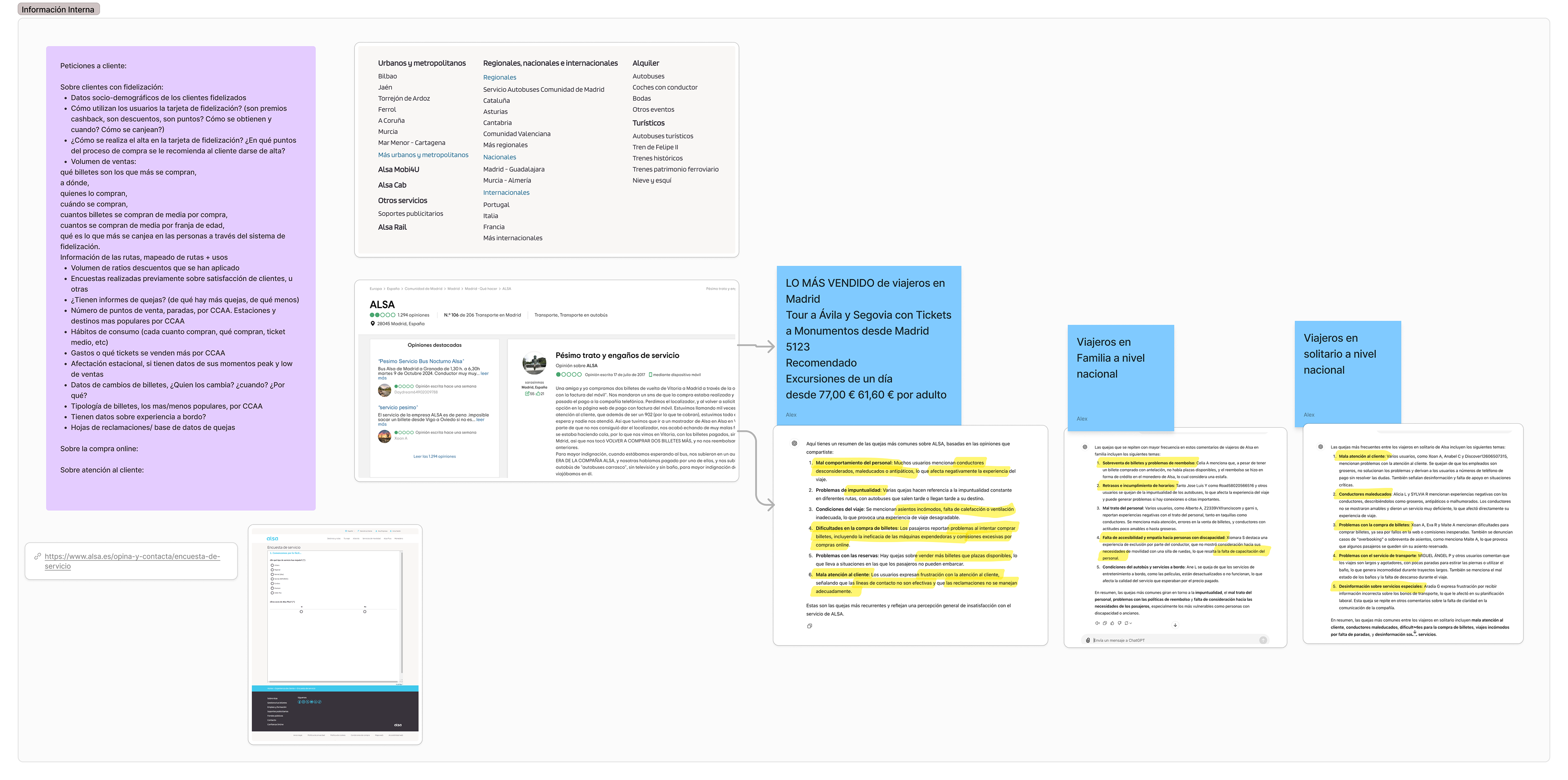
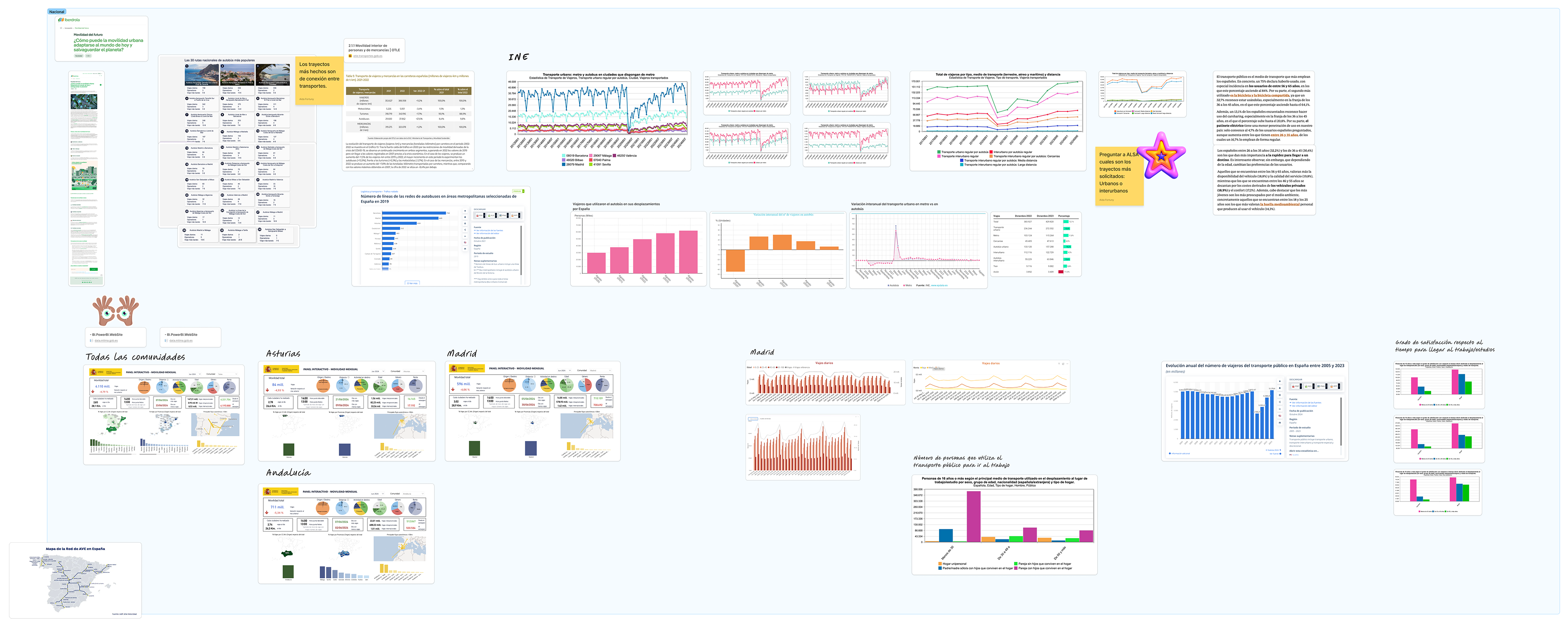
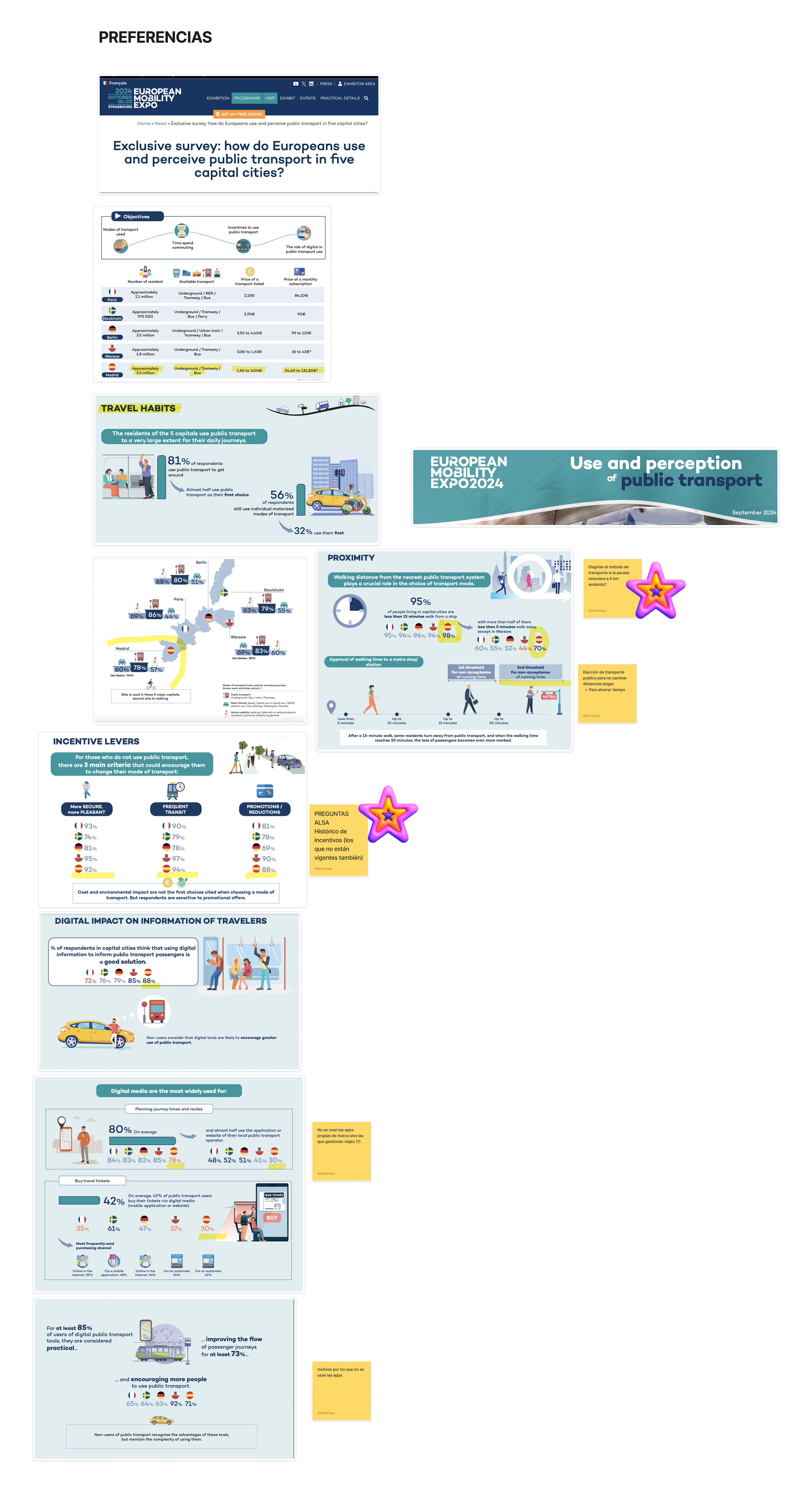
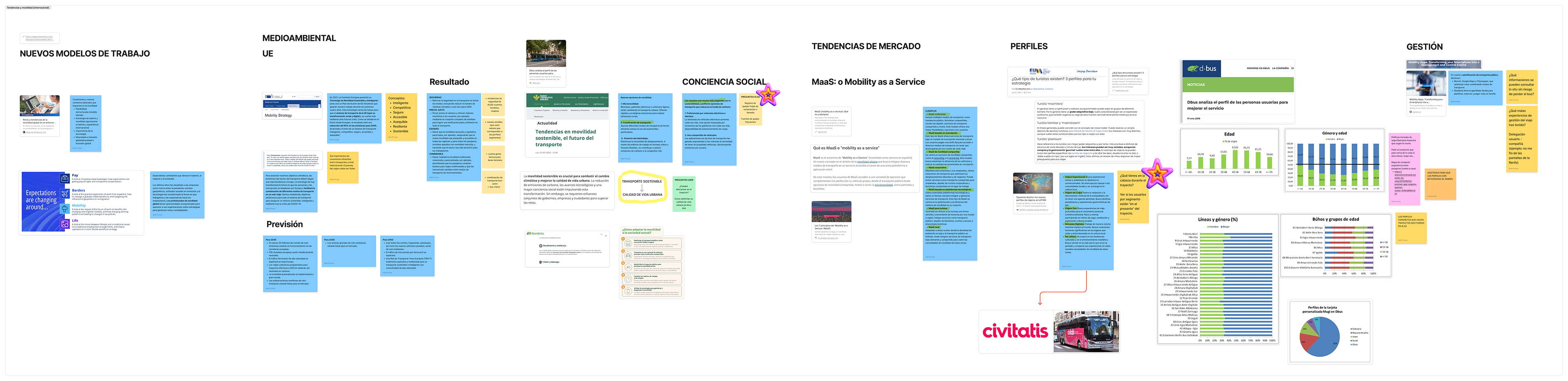
We conducted desk research to explore both national and international traveling and commuting trends. This helped us identify areas of opportunity for improving services and loyalty programs, as well as uncover knowledge gaps in understanding user behaviors and preferences. By grounding our work in existing insights and the latest analysis, we ensured that our strategies were data-informed and focused on real user needs.
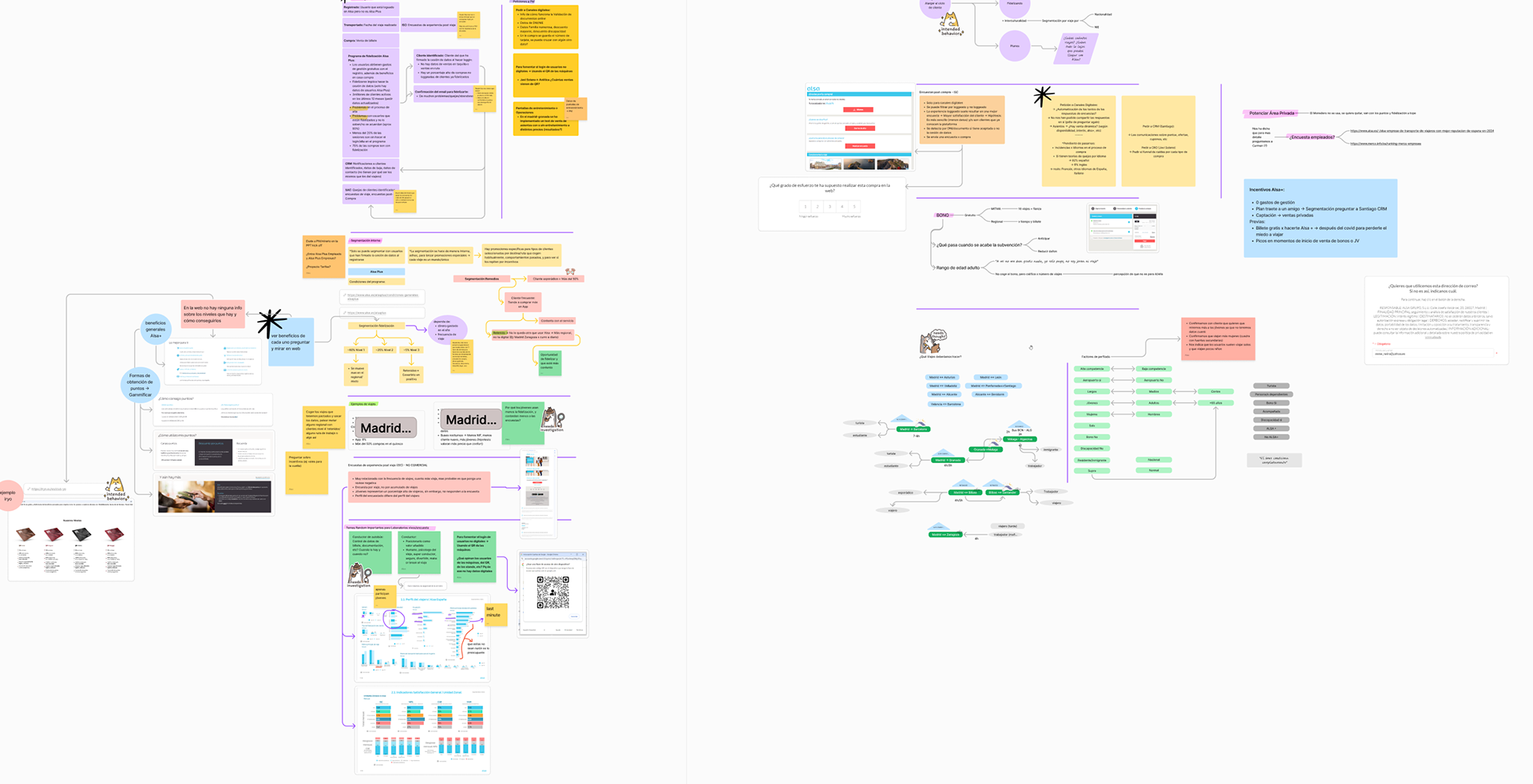
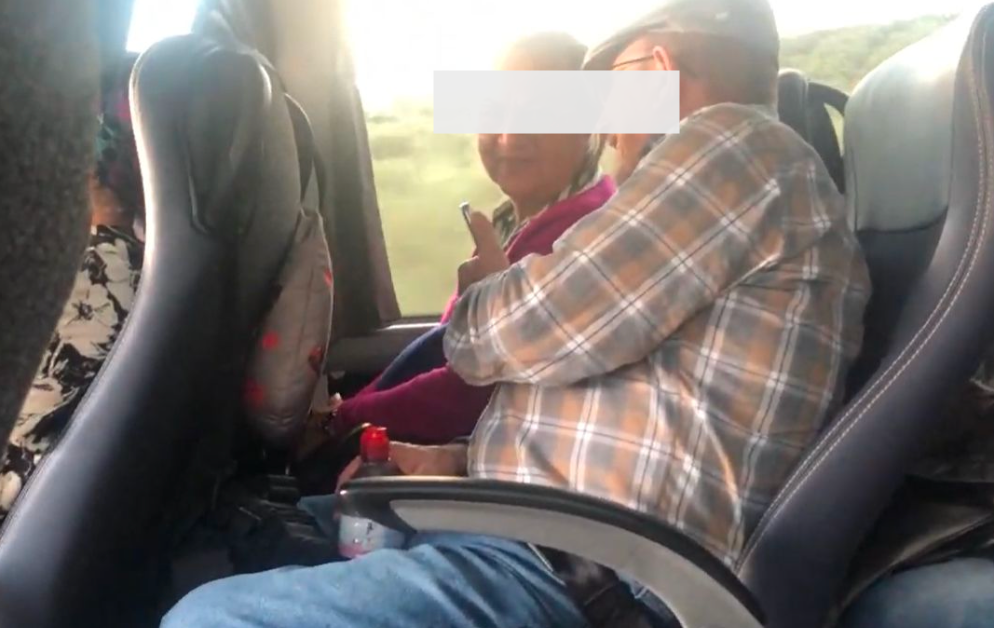
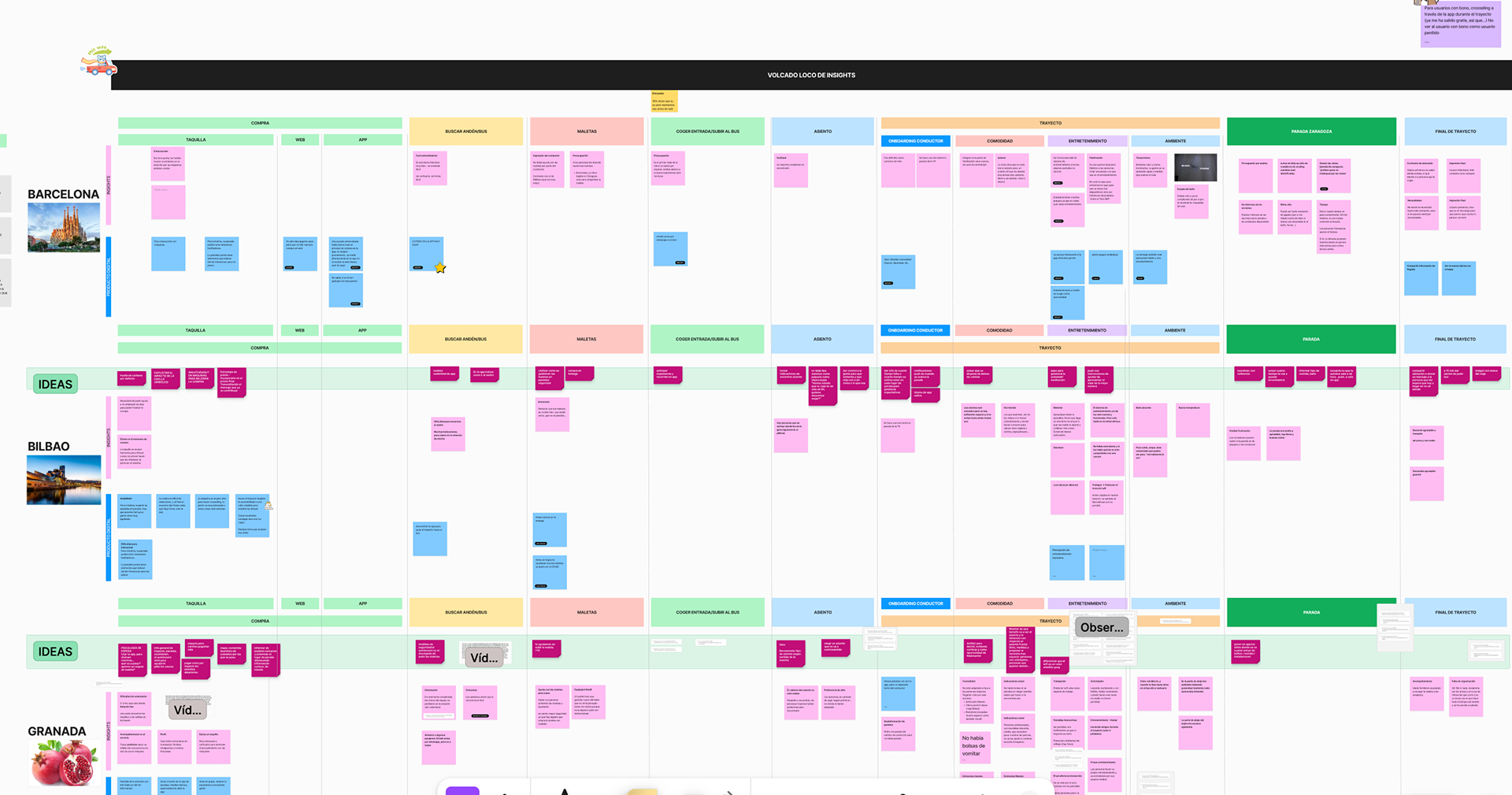
🚌 Live Ethnography Labs
Technology is used in a hybrid way—both physical and digital. That’s why it is essential to conduct phygital analyses that allow us to improve the digital experience through its integrated use.
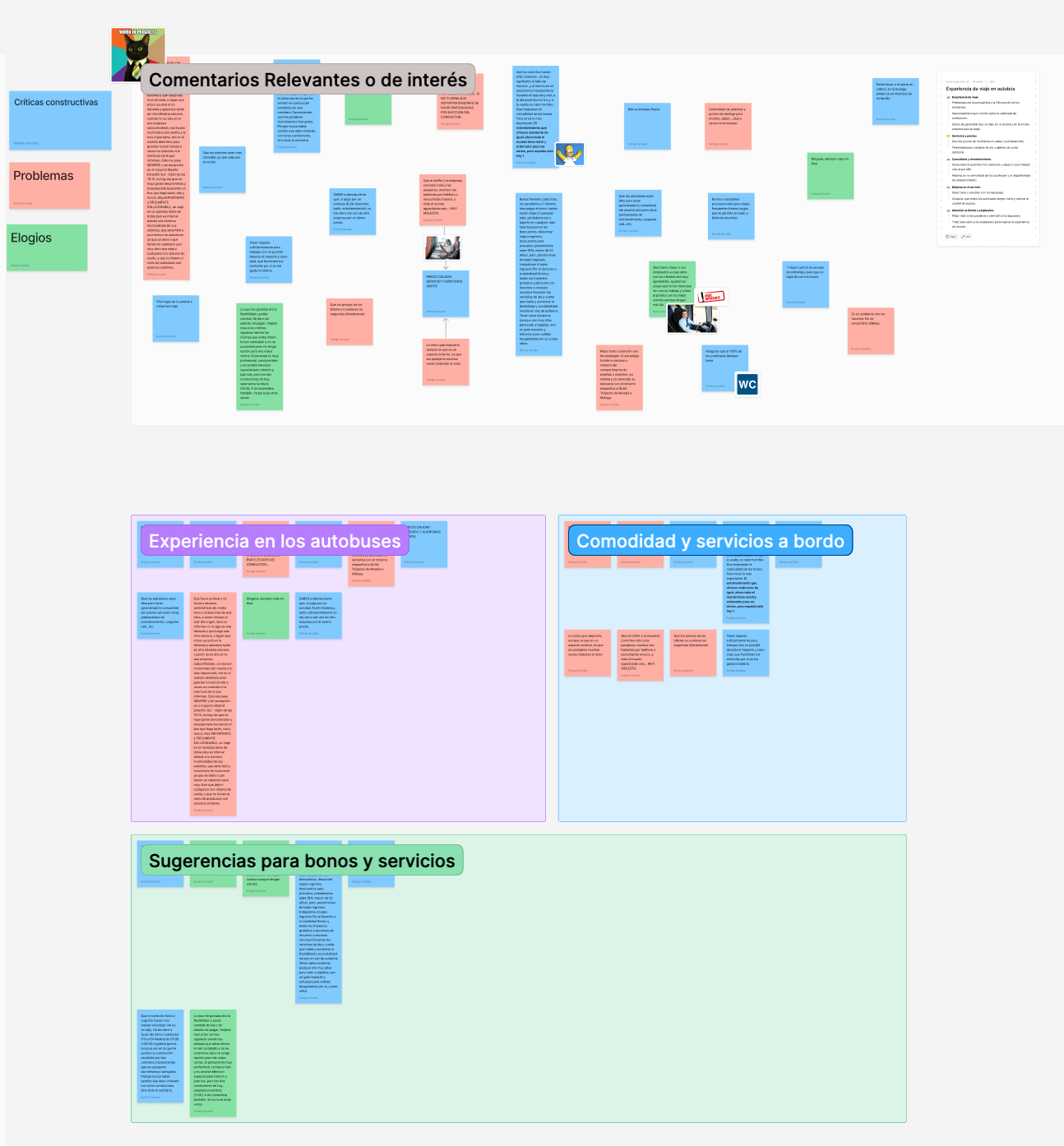
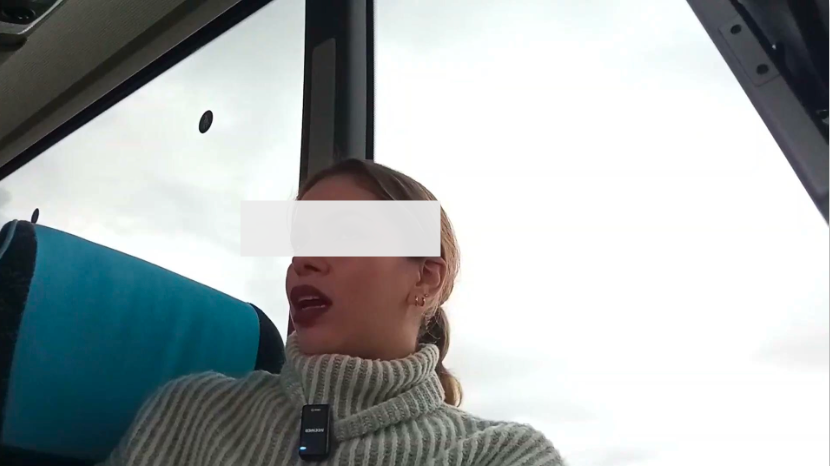
Understanding the use of digital assets also means understanding participants’ brand perception and how they use the service in real-life contexts. To achieve this, we conducted on-site interviews with key participants through living labs.
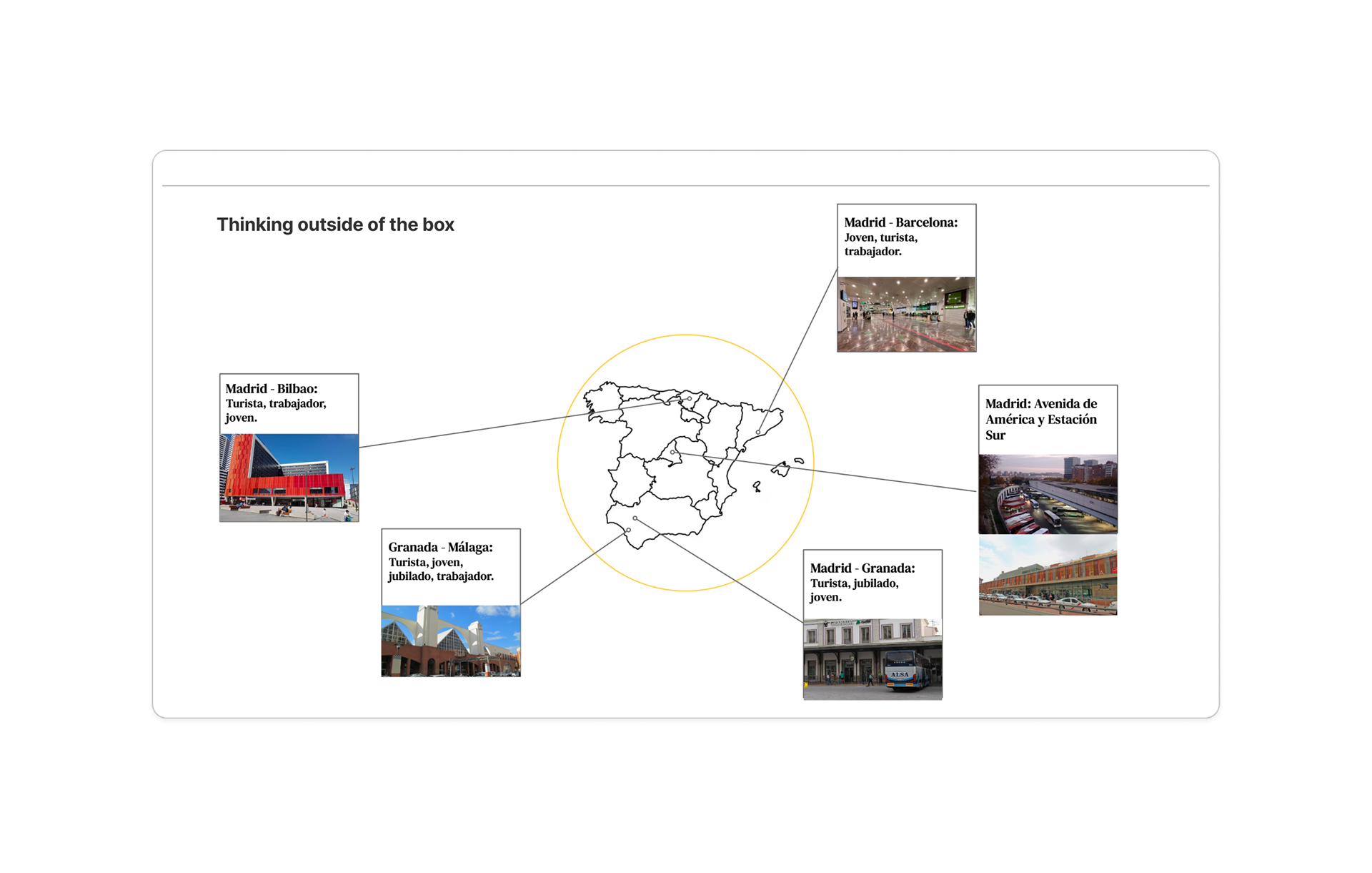
We identified the most relevant profiles in terms of consumption and mobility habits and accompanied them on different journeys, covering more than 1,500 km, to understand the offline and online experience holistically.




💡 The travel process creates the perfect frame… to increase the perceived value of the service through the extras.
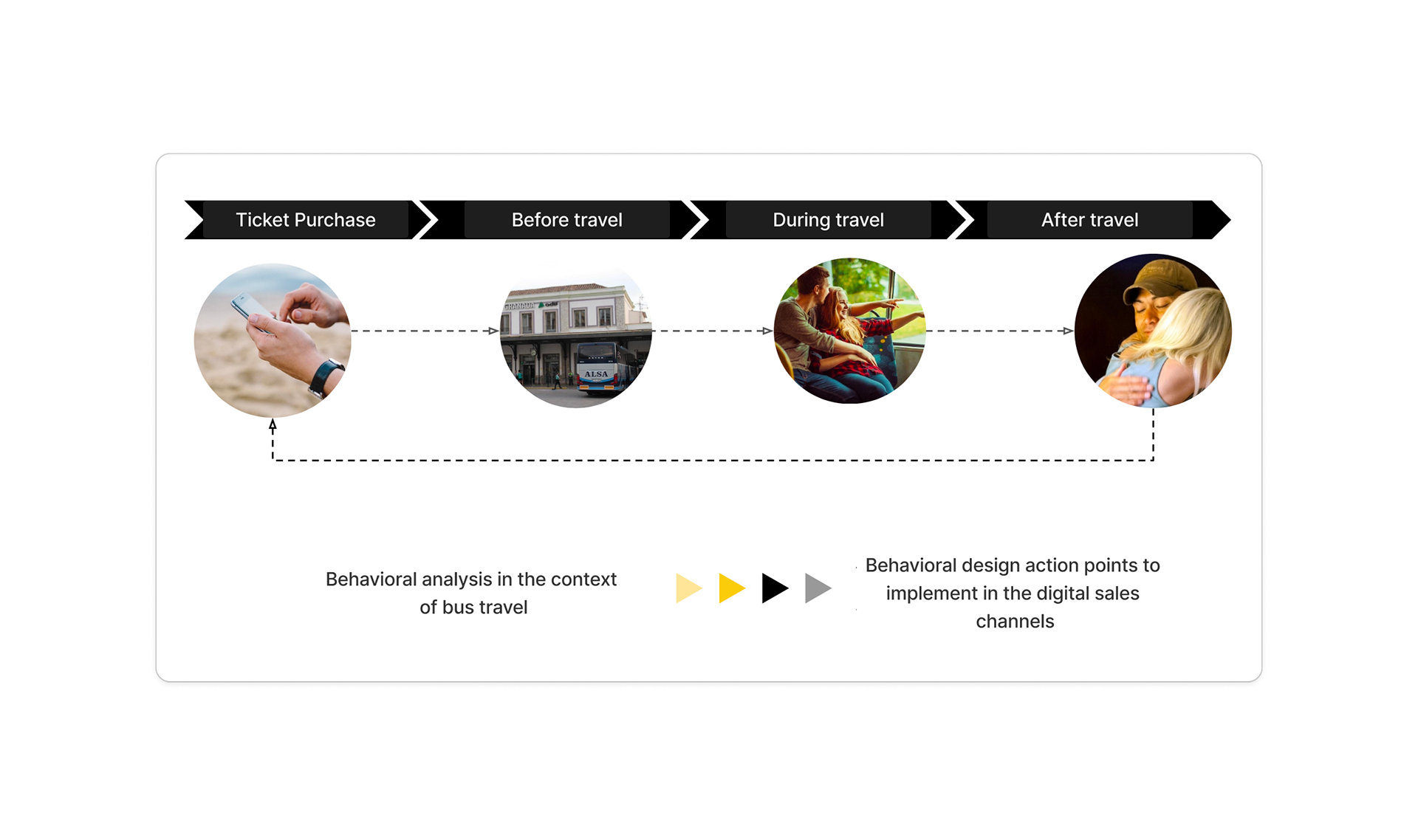
Analyzing the purchase process without analyzing the journey does not give us a complete view of the experience. At each stage of the journey, user needs change, revealing unique opportunities to increase value
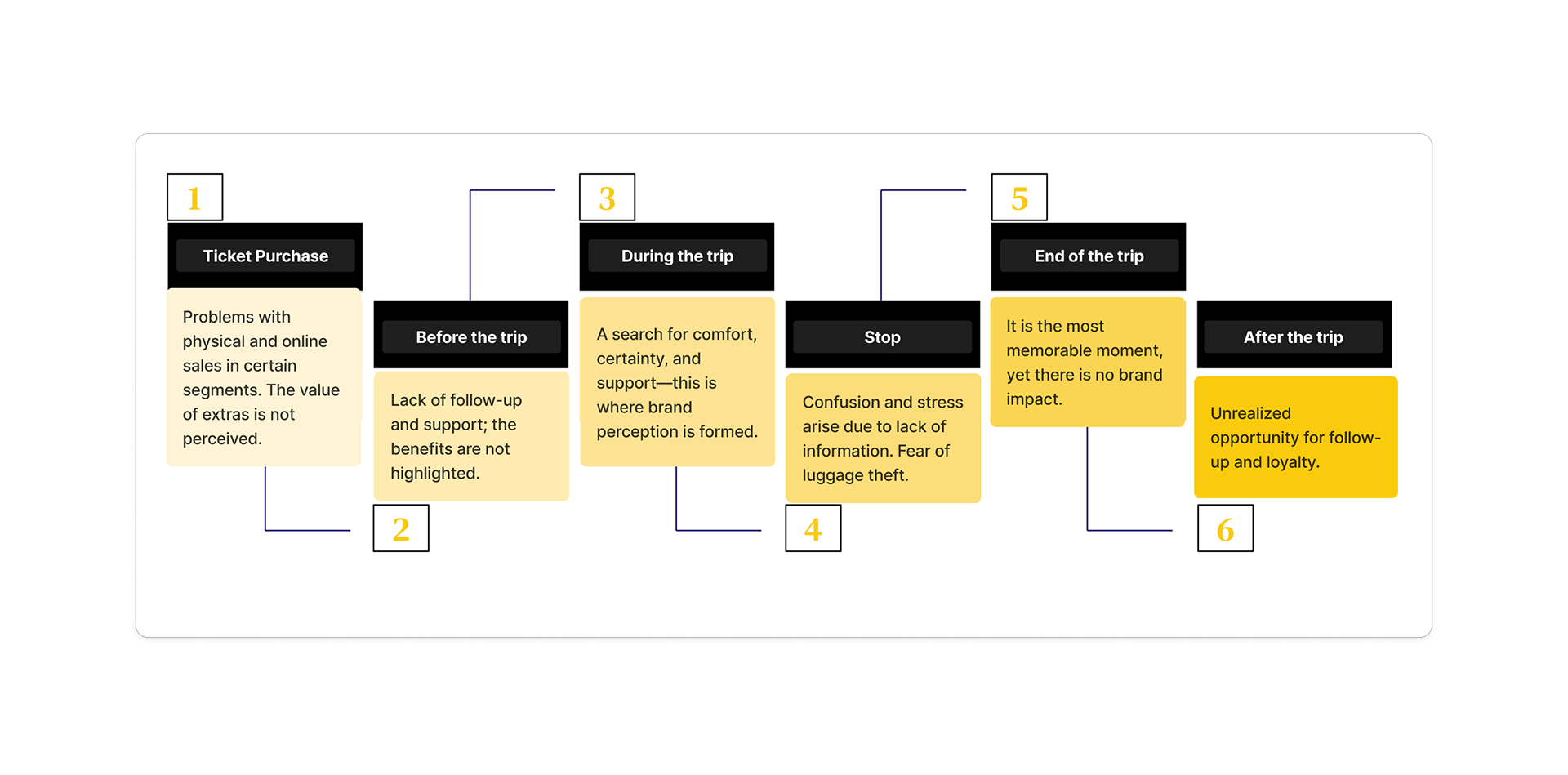
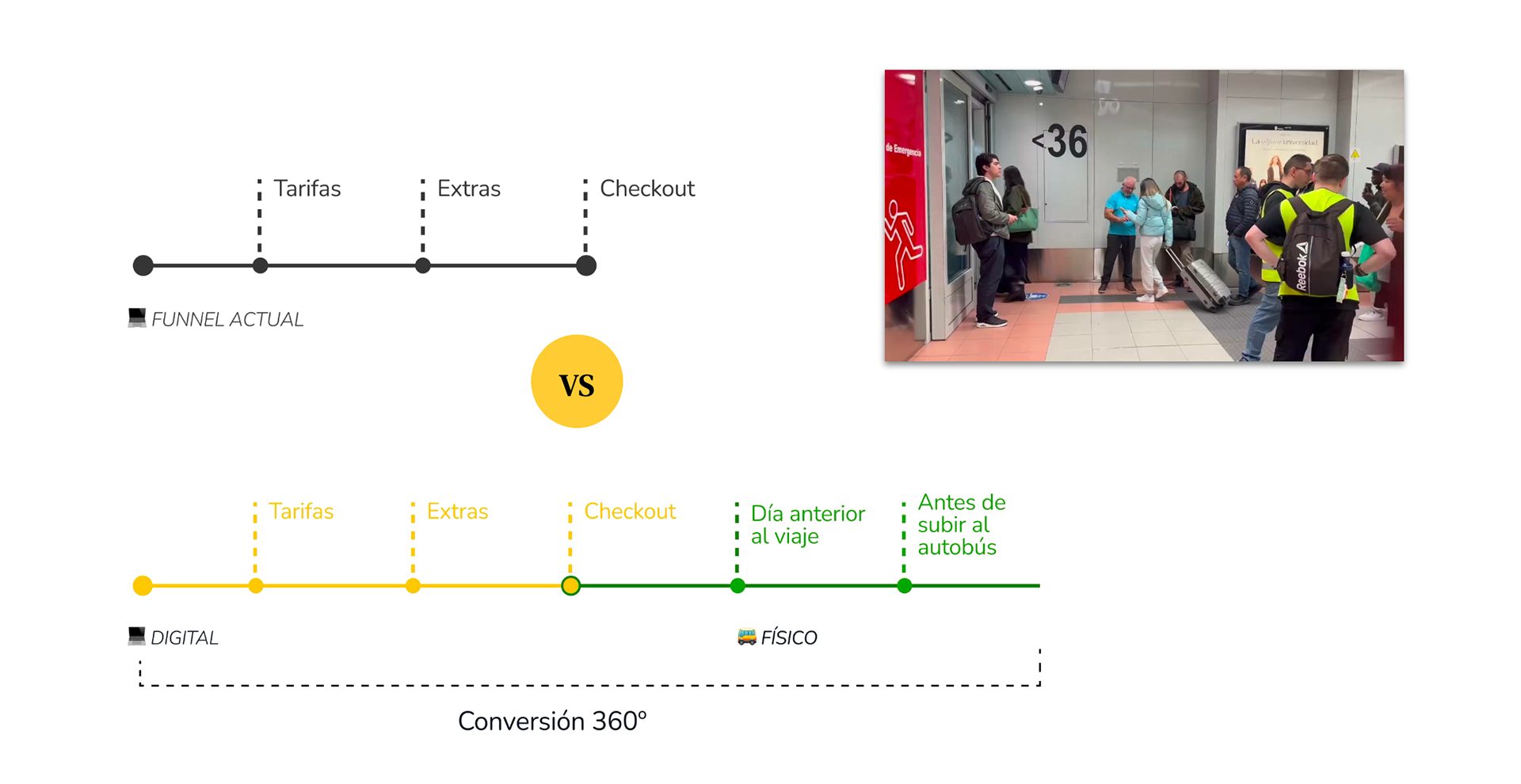
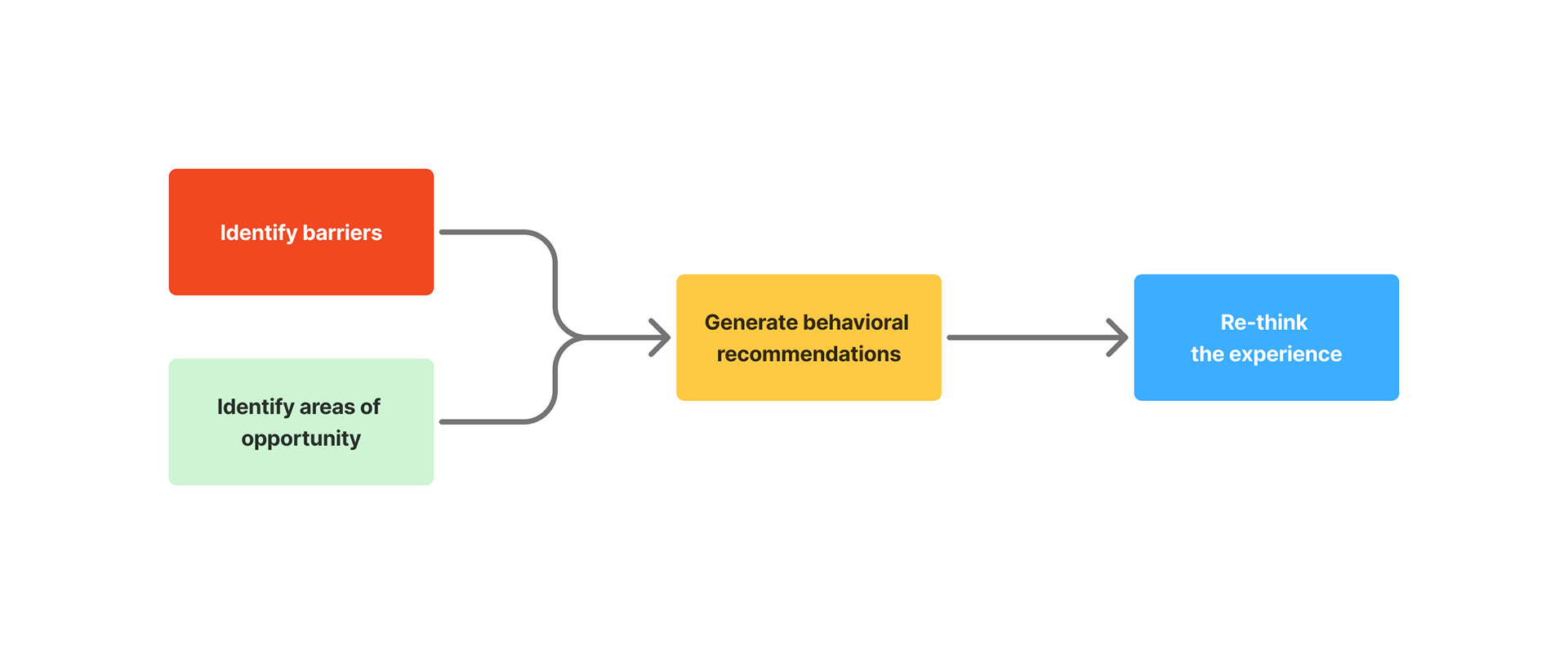
For example:
💺 How do we change the perception of seat selection?
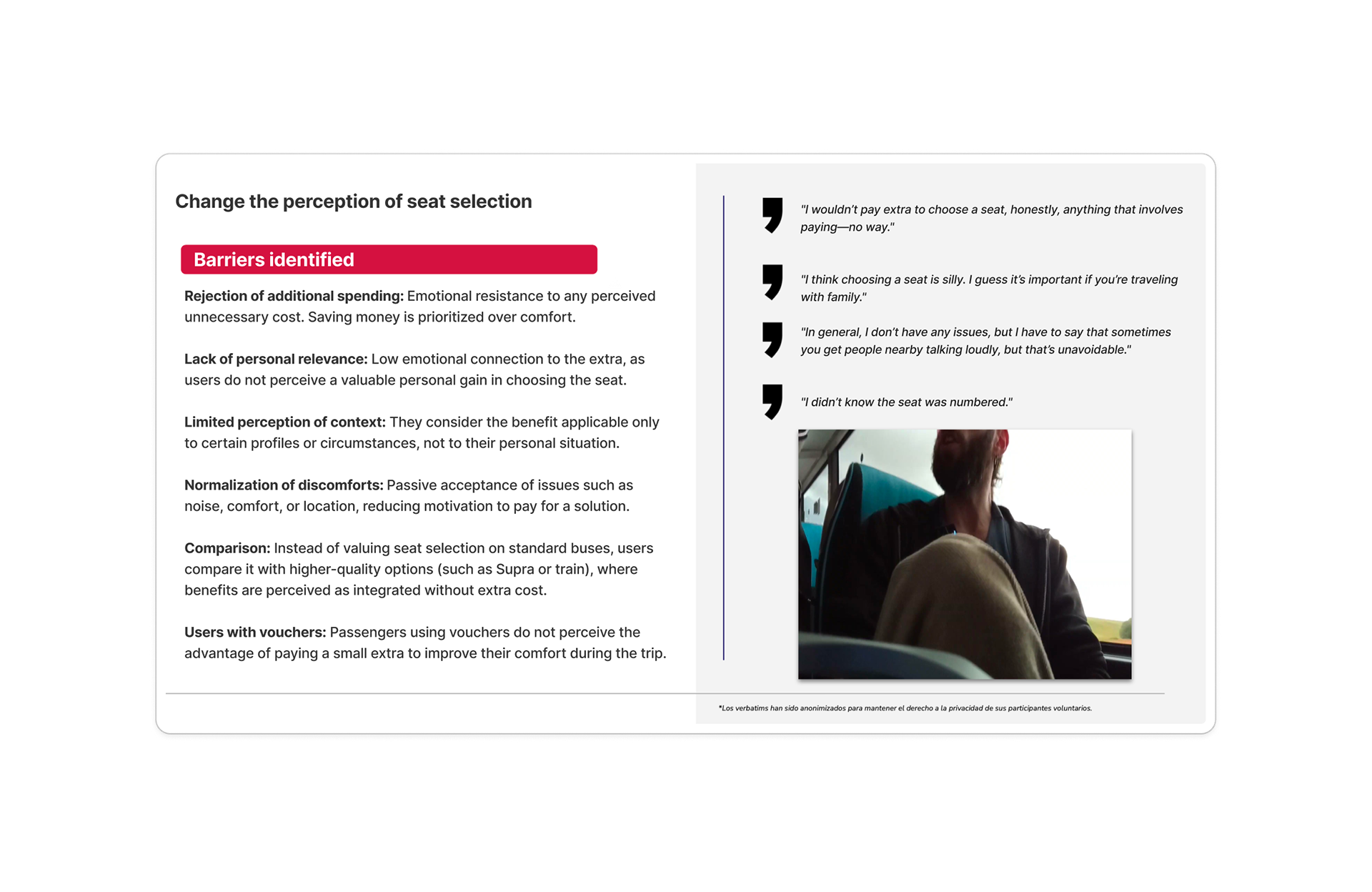
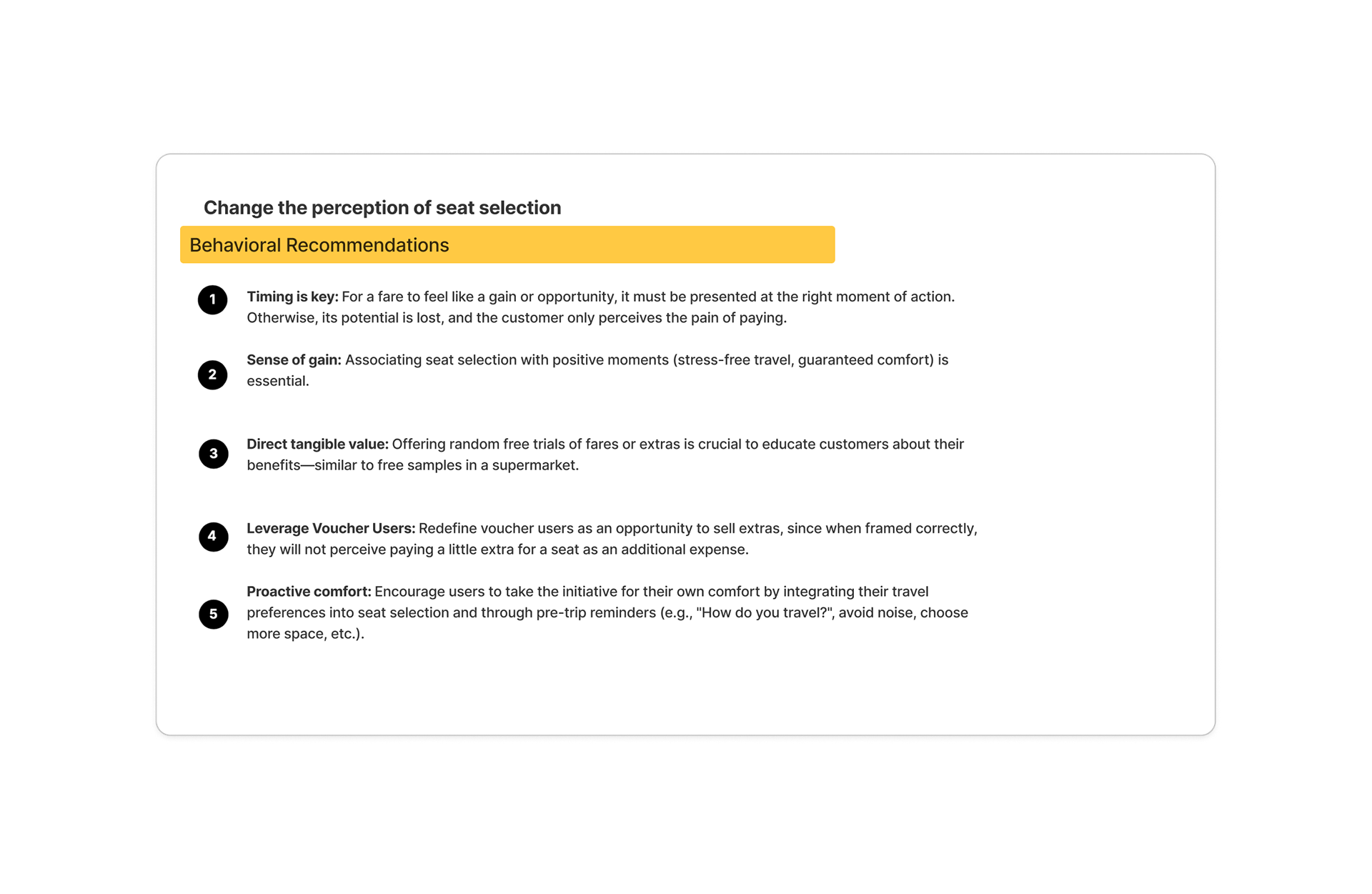
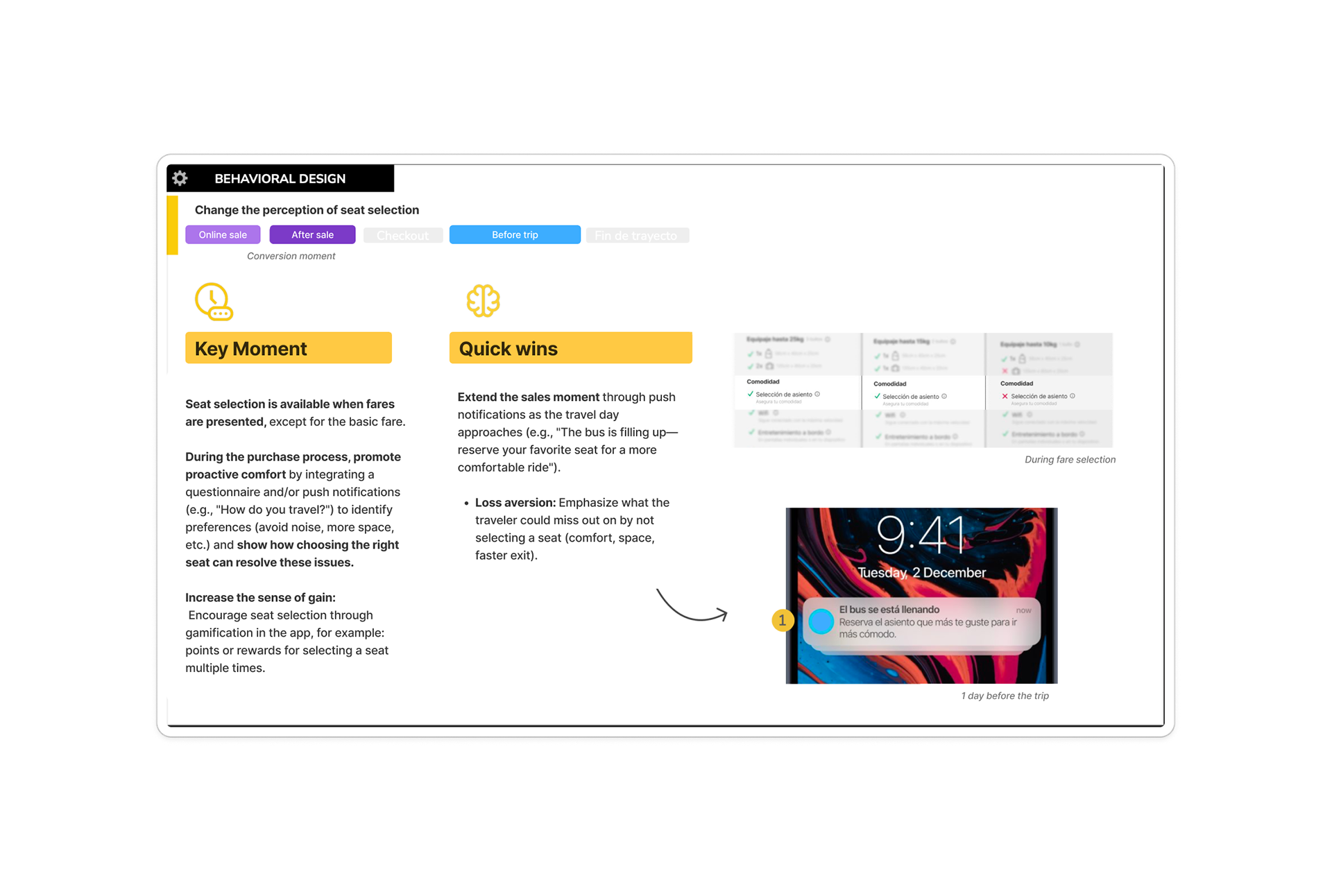
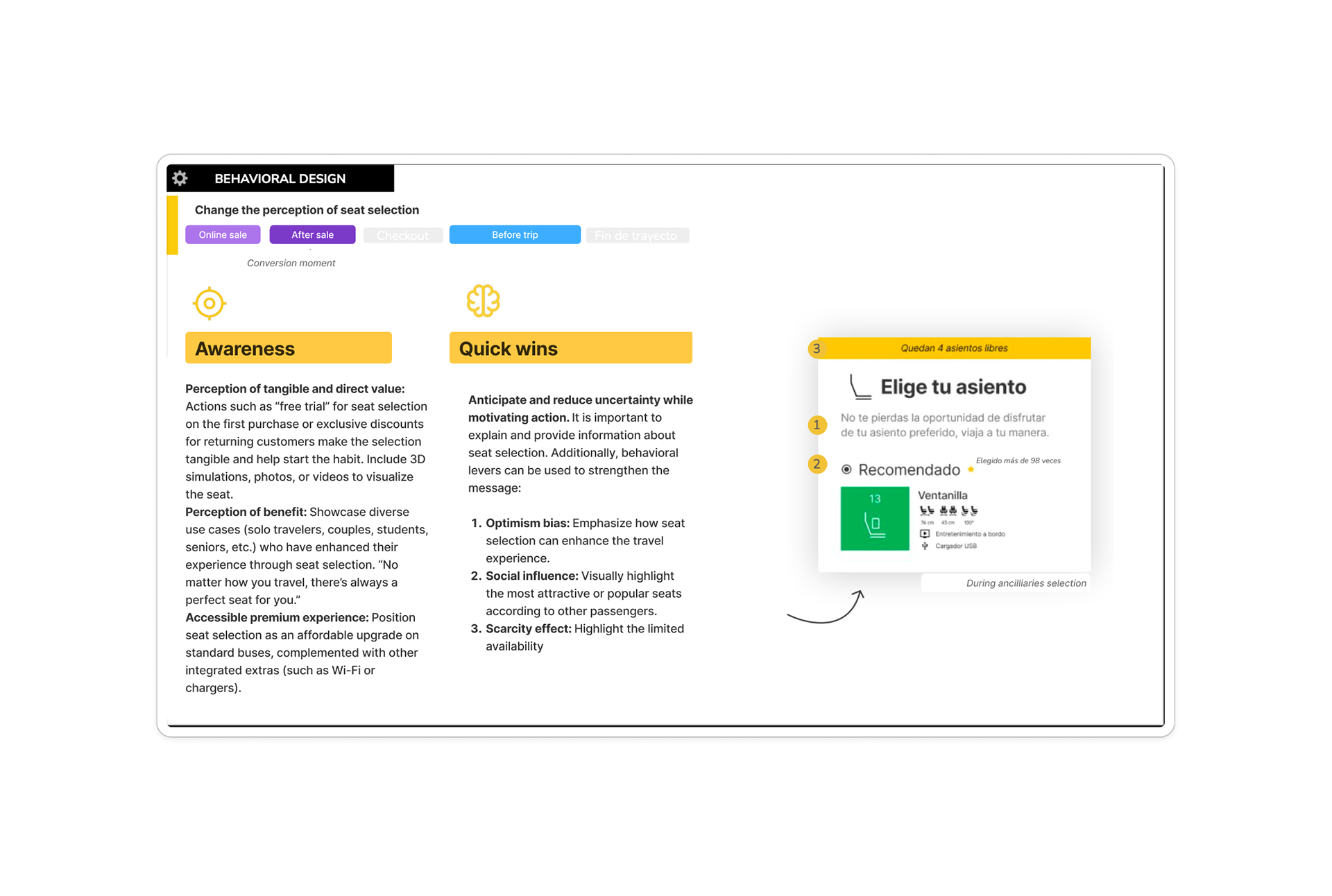
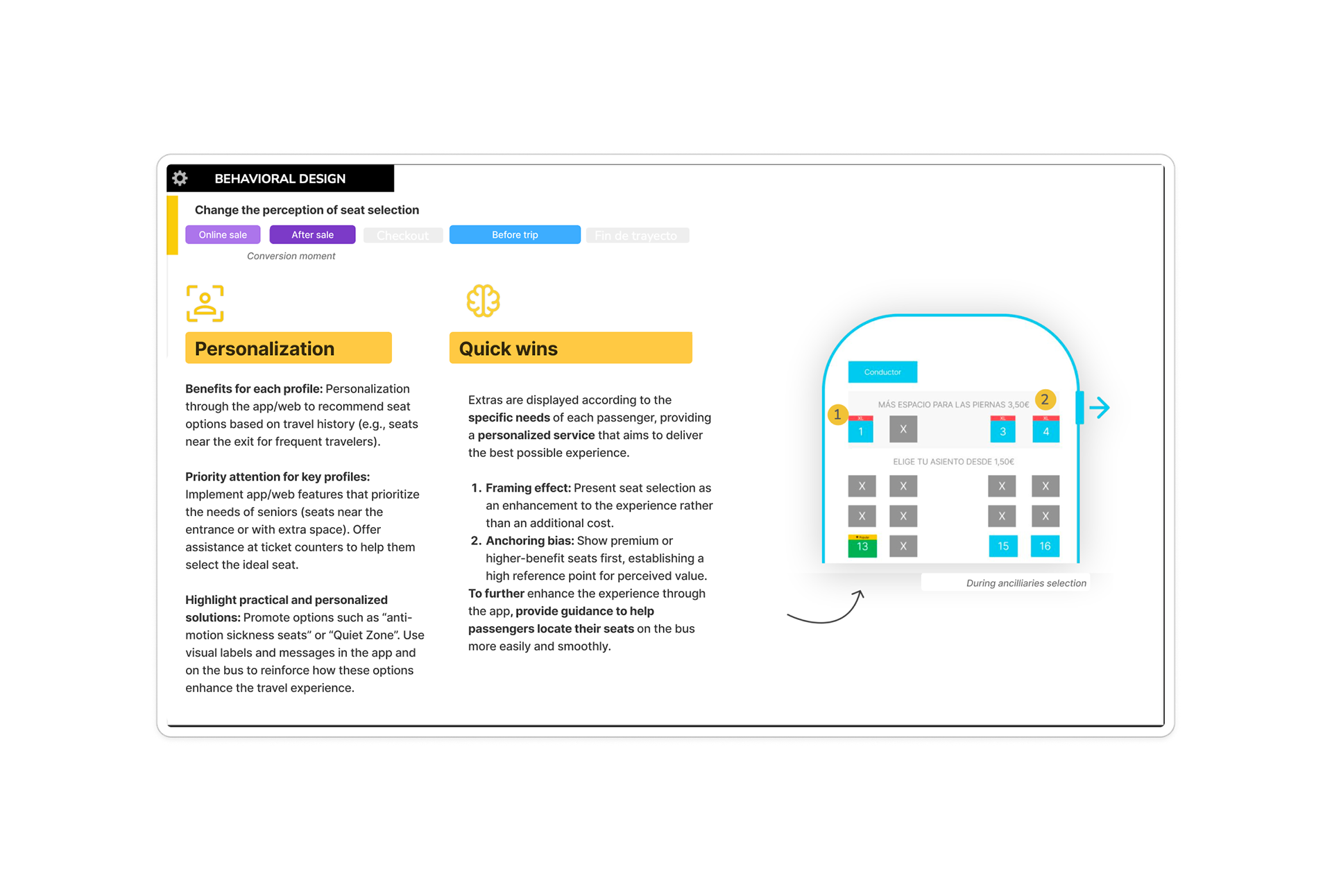
👤 Behavioral Personas identified
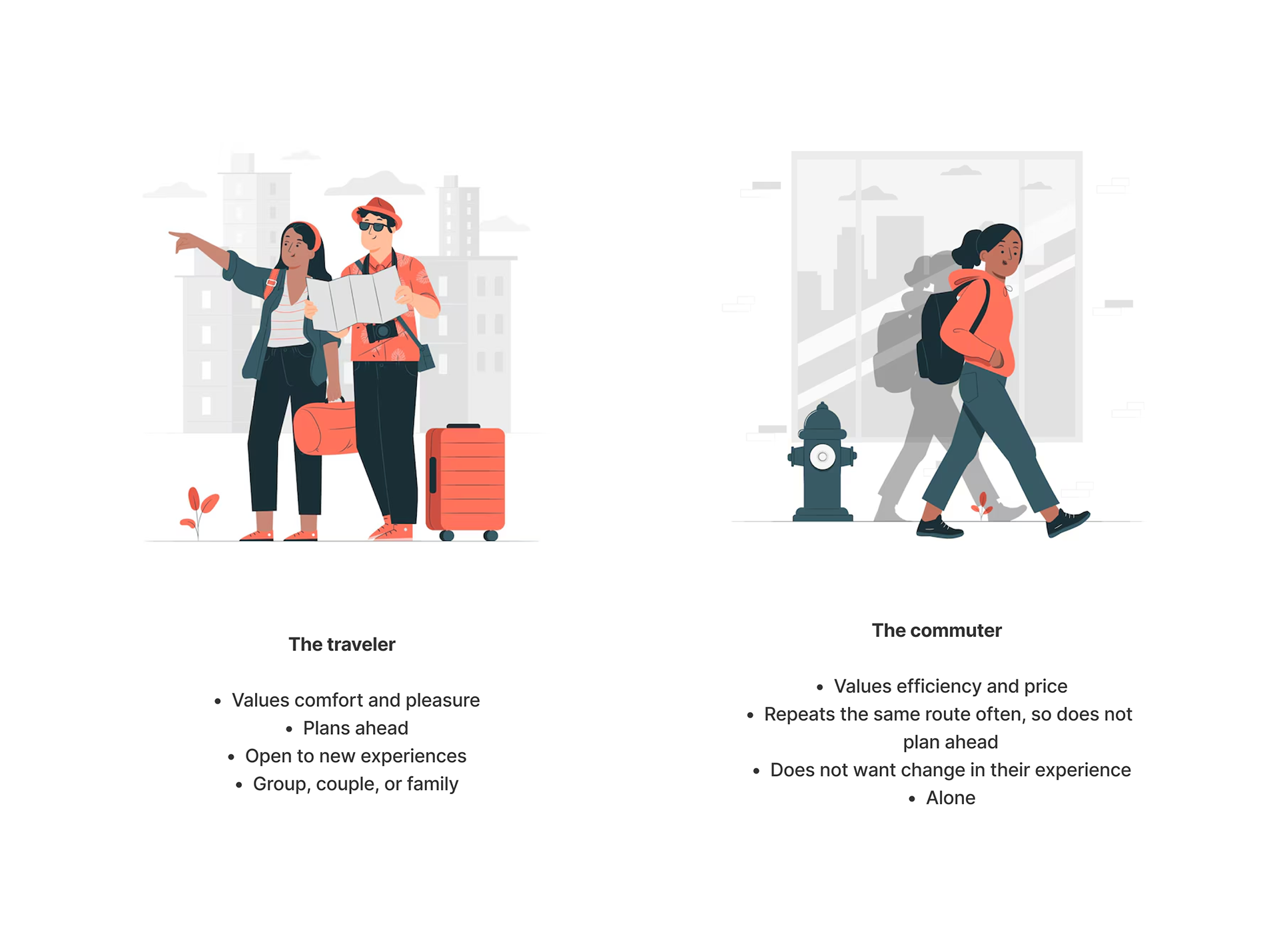
A behavioral persona is a representation of a user based on their motivations, needs, and behavior patterns, rather than just demographics. In the context of travel, this is particularly relevant because two passengers may be similar in age or location but behave very differently, depending on whether they are traveling for leisure, work, or daily commuting.
By analyzing survey data, desk research, and live ethnography labs, we identified two key behavioral personas for this bus company: the Traveler, who prioritizes comfort, experience, and planning, and the Commuter, who values efficiency, reliability, and convenience.
These personas allow us to design targeted experiences and interventions that align with real user behavior across the entire journey.